BUILT
FOR THE
waterline.
For the stretches of shoreline where your home meets the lagoon. Thoughtful docks, seawall improvements, and a process that respects what’s beneath the surface.
EXPLORE THE WORK ↓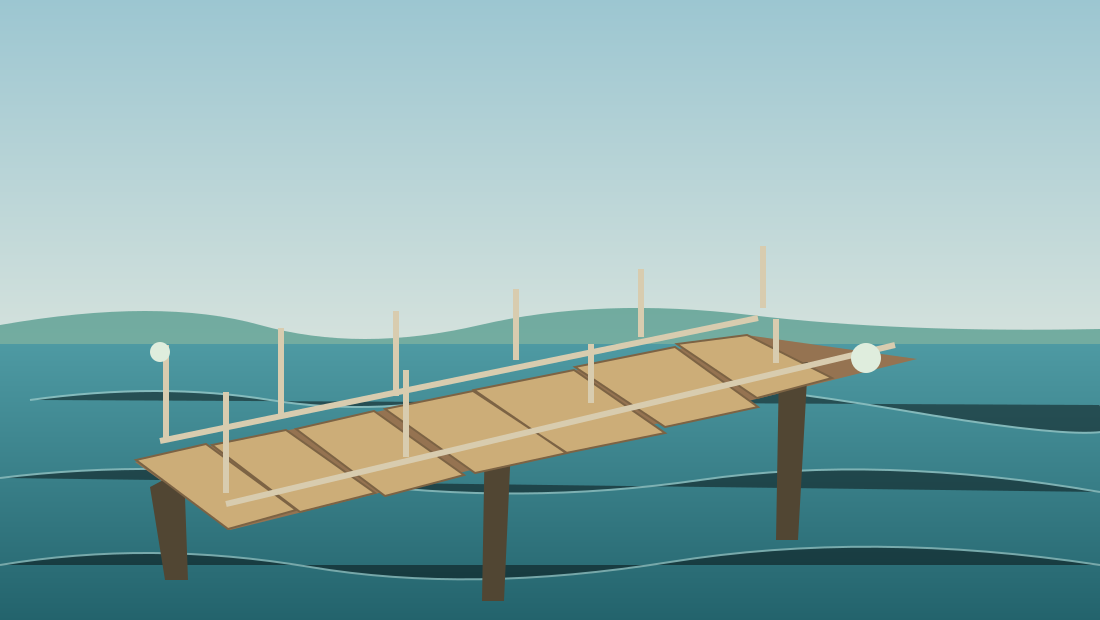
Shorelines change.
Good work considers that.
Every waterfront project begins with the practical realities: tide, access, existing structures, the way you use the water, and which approvals are required. Design is only as good as its groundwork.
THE DIFFERENCE
IS IN THE DETAILS.
Drag the handle. See how the same waterfront feels when damaged decking and uneven guardrails become a coherent new structure.
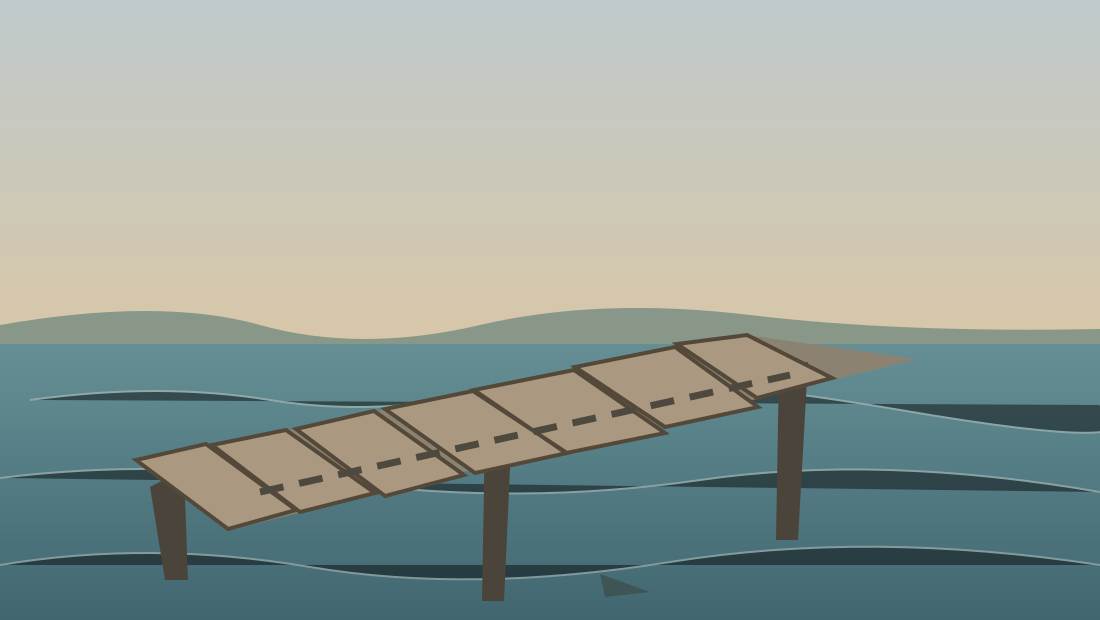
Design illustration, not a documented client project or verified construction outcome.
FIRST, THE
RIGHT QUESTIONS.
Permitting often depends on where the property sits, what exists today, and whether proposed work affects submerged lands or protected resources. An actual contractor and the relevant agencies must determine the requirements.
01 Walk the site +
Document access, water depth, existing structures, the proposed use and any visible constraints.
02 Confirm approvals +
Review the applicable building department, environmental permitting and other agencies with a qualified professional. Never assume a repair is exempt.
03 Specify the build +
Compare structural approach, deck materials, corrosion exposure, and construction access.
04 Plan the handover +
Capture inspections, final documents and an ongoing maintenance plan.
ROUGH NUMBERS.
BETTER CONVERSATIONS.
Explore an illustrative decking-only planning allowance. This does not price a real dock, foundation, pilings, seawall, permit fees, inspections, electrical work, riparian considerations or site access.
LOCALITY: INDIAN RIVER / ST. LUCIE / MARTIN